The Importance Of Repairing Subfloors Prior To Any New Floor Install
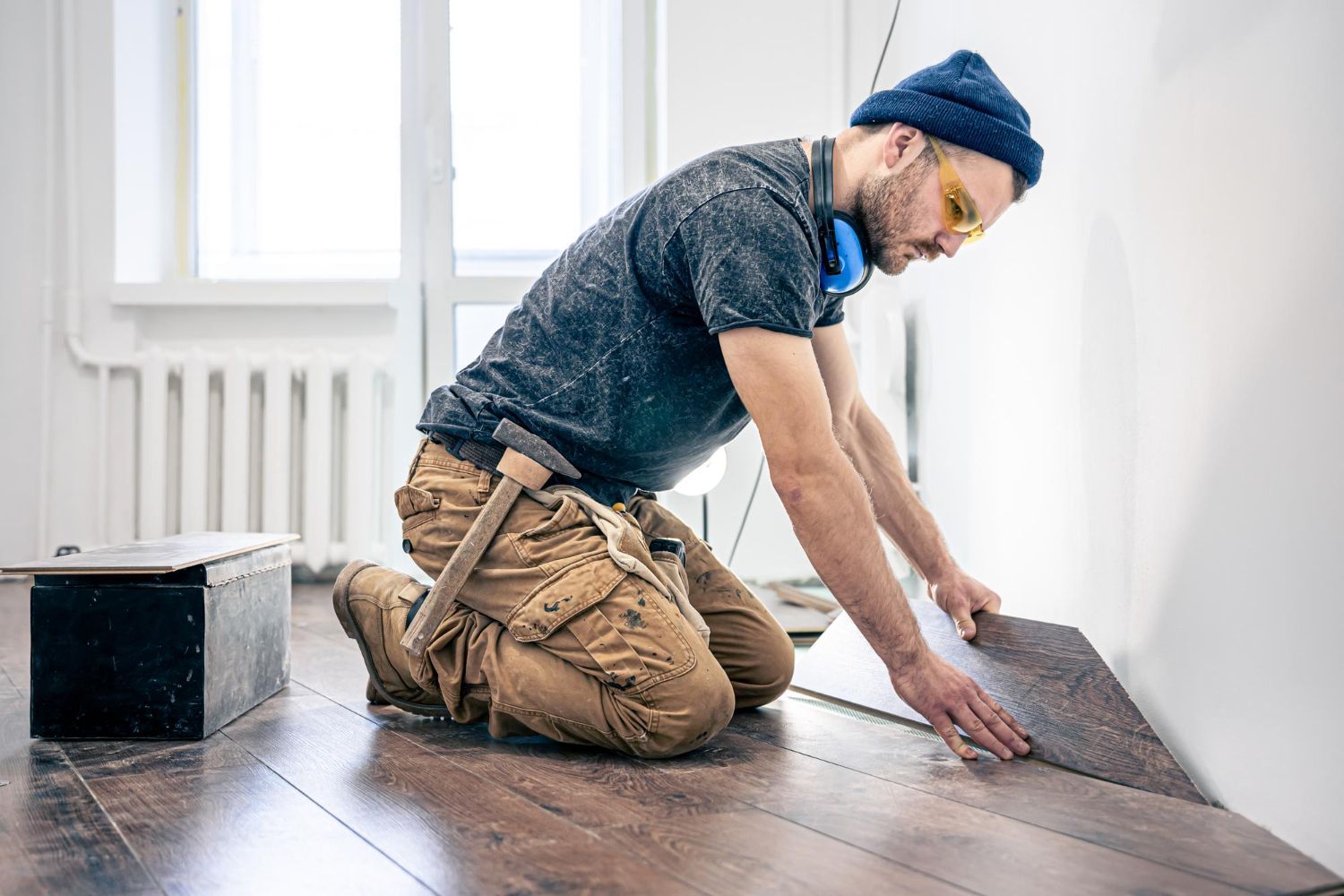
Subfloor repair is the nebulous part of flooring installation that no one wants to discuss -- and no one wants to shell out money for. It's not obvious that the work has been completed or how it's done. It's also difficult to photograph, and it adds cost to an amount that homeowners have most of the time already firmly committed to some specific amount. But it is, with no doubt, the most important factor in whether your new flooring will function the way it should or starts falling apart within the first year. The housing stock in Philadelphia comprising rowhomes, twins and older colonials across Bucks County, Delaware County ranches that have crawlspaces is particularly prone to subfloor issues which are not discovered until a brand new floor is put down and begins to reveal them. The following are the things that homeowners should know prior to putting down the floor.
1. The Subfloor Is What Your New Floor is Actually Attached to
This is a common sense idea, but often gets lost in the excitement of selecting materials. When you install nail-down hardwood or glue-down LVP, floating laminate, or porcelain tile finished surface is only as stable as the foundation beneath it. A subfloor with soft edges, spots of flex moisture damage or level variations does not fade away when new flooring is put on itthat's why it communicates every issue upwards, frequently within months. Licensed flooring installers evaluate the subfloor before they evaluate anything else for the same reason.
2. The older homes in Philadelphia have subfloor Conditions that frighten contractors
Homes built prior 1960 across Philadelphia, South Jersey, and surrounding counties typically feature diagonally-cut board subfloors rather than plywood -- A construction technique that was standard in the era however it poses real challenges in the modern installation of flooring. Subfloors made from board are more susceptible to move, and also include gaps within planks and are often required to be topped with an overlay of plywood before hardwood or tile installation is viable. The contractors who fail to highlight this in their estimates hasn't been looking properly enough or is contemplating working around it by using methods that may cause problems in the future.
3. Soft Spots are a Red Flag Sign, Not a Minor Anxiety
A soft spot in your subfloor -- one that gives a slight amount when you walk upon it -usually indicates mold, rot or delamination in the subfloor material itself. Installing new flooring over any soft spot will not fix the issue; it just hides the problem temporarily, while the damage persists under. In the case of hardwood flooring installation located in Philadelphia specifically, soft spots pose a risk to the staple or nail hold that keeps the floor in place. Floors that start lifting, squeaking, or separating from the subfloor usually results from a soft area that wasn't treated prior to installation.
4. The variation in level affects every flooring Type Differently
Many flooring manufacturers set the maximum possible variation allowed for subfloor flatness. Typically, it is 3/16 of a millimeter over 10 feet. Exceeding that tolerance affects different types of flooring in different ways. Tile flooring is the least flexible: high spots crack tiles, low spots crack grout lines and a sloping subfloor for large-format porcelains is certain to cause callbacks. LVP handles modest variation better than other floorings, however large cracks or ridges show through with time. Hardwood signals unevenness by displaying hollow spots and movements. Subfloor leveling compounds or targeted grinding can be the solution that aren't addressing the cause of the problem.
5. The moisture in the Subfloor Is a Distinct Issue Different from Household Humidity
These are two separate problems requiring separate solutions. Ambient indoor humidity affects how wood flooring expands according to season. Subfloor moisture -transfer of vapors through concrete that wicks through old boards subfloors, or the dampness from a previous leak can directly damage glue bonds, causing floating floors to buckle, and increases the likelihood of mold growth under the flooring. A reliable moisture reading prior to the installation of flooring in Philadelphia homes should be standard procedure. In cases where this isn't completed the contractor has to assume rather than understanding what's being worked on.
6. Concrete Slabs should be tested for moisture before gluing-down installation
The glue-down of hardwoods and LVP installation on concrete is common throughout Delaware County and South Jersey houses that feature slab-ongrade construction. What's less commonly communicated to homeowners is the fact that concrete slabs release moisture vapor continuously, and the rate affects the strength of the adhesive. A slab that passes a visual inspection could still fail a calcium chloride test or a relative humidity test. Flooring adhesives applied to the slab with an excessive emissions of vapor will break down its adhesive -- often within one year -- and the floor may start to move, bubble or split.
7. Subfloor Repair Costs are difficult to determine without looking
That's why reliable flooring contractors won't offer you a firm all-in price when you call them. Subfloor repairs in Philadelphia could range from a simple patch of plywood for $200 to several dollars per square foot across an extensive area that has damage from moisture. The only way to know you're in the right place is to have a look at the subfloor and a proper assessment. Homeowners who demand a locked-in total before anyone has examined the subfloor could create conditions wherein the contractor builds in a large risk or cut corners when issues arise mid-job.
8. Tile Installation is the Most Punishing Test of Subfloor Integrity
Ceramic tile and porcelain have no flexibility. They transfer stress directly into the bond beneath them. A subfloor that exhibits substantial flex is likely to crack grout and tile, regardless of how carefully the tile itself was laid. The requirement for tile installation is a floor that is strong enough to hit the standard of deflection that engineers reference as L/360 -- meaning a 10-foot span is able to deflect only 1/30 of an inch under load. Older Philadelphia homes typically fall short of this, without any reinforcement. The failures of installing bathroom tiles in older homes are almost always a matter of subfloor rigidity in disguise.
9. The Subfloor's Addressing Now will Protect from the Refinishing Value that will come later
One of the hardwood flooring's major advantage over other floorings is its ability to polish and sand it several times over decades. It's not as effective if the subfloor beneath it becomes damaged. Floor sanding and refinishing is a major undertaking in Philadelphia requires a stable well-fastened floorone that won't move or flex beneath the sanding machine. Problems with subfloors that were manageable when it was installed can become a major issue when refinishing the floor is attempted many over a period of time. Installing the subfloor correctly at in the beginning is a way to ensure every repair the floor might require.
10. The Subfloor Contractors Who Discover Problems Are Those Who Are Worth employing.
It could be a bit counterintuitive- nobody wants to hear that their job was just more costly before they even started. But a flooring contractor who takes a walk around your room, is aware of subfloor problems, and incorporates repair as part of their job is doing exactly what a professional should do. If they do not mention the issue, or quote a price that is low estimates, and then proceed to lay flooring over subfloors that are damaged are the ones who generate negative reviews six months later. When you're getting flooring estimates in Philadelphia that are thorough in their inspection before a quote is made provides all you need to know about the process of installation will work. Check out the top rated
porcelain tile installation Philadelphia for blog advice including LVP flooring contractors Philadelphia, flooring installation Philadelphia, flooring estimate Philadelphia, flooring contractors Delaware County PA, flooring installers Philadelphia, flooring installation near me Philadelphia, LVP floor installation cost Philadelphia, hardwood floor refinishing cost Philadelphia, hardwood floor installation South Jersey, tile flooring contractors Philadelphia PA and more.
Tile Vs. Laminate: Which Is The Best Choose For Philly Kitchens
The choice of flooring for the kitchen in a Philadelphia home has more importance than other rooms because kitchens here perform hard. Rowhome kitchens which double as social hubs galley kitchens in older twins which experience continuous feet, open-plan cooking that have been renovated Delaware County colonials -- they all share the same fundamental challenges: water, dropped things, grease, and decades of usage. Tile and laminate both pop up regularly in flooring estimates across the Philadelphia metro area, and both have strong arguments to support them. But they are not interchangeable and picking the wrong choice for a kitchen area is apparent faster than in other rooms of the house. Here's how the comparison actually is broken down.
1. Water Resistance Is the First Filter and Tile wins It Quietly
Kitchens get wet. Dishwashers leak; sinks overflow and glasses fall over, and mop wetness is longer than it should. Porcelain and ceramic tile are essentially impervious to water on the surface. the potential risk, if there is one lies within the grout, and is addressed with the proper sealing. Laminate has a wood-fiber core that sucks up moisture once it gets under the surface layer. In a kitchen, it occurs later. Once the laminate begins to swell at edges or seams, then the damage will be permanent and eventually the floor will require replacement. Installing flooring that is waterproof in a Philadelphia kitchen is an acceptable goal, and laminate doesn't meet it.
2. Laminate Has a Lower Entry Cost but a Lower Kitchen Lifespan
The laminate flooring makes its most convincing case. Installing laminate floors in Philadelphia kitchens always comes in less expensive than tile- lower costs for materials, speedier labor, and without the need for grout or mortar. Homeowners on a tight budget, who want kitchen floors that look nice now, laminate can be tempting. The truth is lifespan. The tiles that are installed correctly in an Philadelphia kitchen can last 20 to 30 years without any significant effort. Laminate and tile in one kitchen which is exposed the moisture conditions that kitchens bring, often becomes problematic after 5 to 10 years.
3. Porcelain Outperforms Ceramic in High-Traffic Kitchen Conditions
It is important to note that not all tiles are equal in a kitchen setting. Ceramic tile is denser, more durable and less porous ceramic. It is capable of handling dropped cast iron pans as well as chair legs and daily foot traffic better than the course of. Ceramic tile flooring is an acceptable option for kitchens in particular rooms with fewer traffic or where budget is a factor in the decision but the difference in density is critical in rooms that gets as much abuse as a kitchen. Philadelphia flooring companies that do much kitchen tile installation will typically push on to porcelain, unless price is the primary reason.
4. Laminate Comfort Underfoot is a Major Benefit
The issue is that it doesn't receive enough praise in the tile against. laminate conversation. Tile is cold and hard -- and standing on it for a long cooking session is more exhausting than laminate which has some cushioning, and is warm underfoot. In the case of a Philadelphia rowhome where the kitchen floor lies over a basement that is not insulated, ceramic tile in winter can be realy unpleasant if there is no radiant heat underneath. Laminate can't solve every issue with kitchen flooring, but it does solve this one, and for homeowners who stand for a long time in their kitchens, it's an meaningful quality-of-life factor.
5. Cleaning Grout Is the Most Honest Negative of Tile
Tiles are favored for their durability and water resistance, however grout can be a liability. Grout that isn't sealed or used up in kitchens absorbs grease, bacteria, and stains. Making sure that tile kitchen floors look healthy requires sealing the grout at the floor and periodic sealing throughout the life of the floor. Philadelphia tile flooring companies that can be honest about this are doing you an excellent service. People who decide to install tile hoping for minimum maintenance are usually the ones who end up with grout lines of grey that were originally white.
6. Large Format Tiles Change the Kitchen Feel and the Subfloor Requirements
Large porcelain tiles 24-x24 inches or bigger -- are increasingly popular in Philadelphia kitchens, and they can look stunning in the right place. The problem is that large format tiles are more demanding with regard to subfloor flatness as opposed to smaller ones. Subfloor irregularities shows as lippage -- edges that are placed at different heights, which could be a visual nuisance and a safety risk. Repair of the subfloor prior tiles are installed in Philadelphia kitchens can be necessary for a reason, and the expense doesn't show up in a material-only estimate.
7. Laminate Is Not Refinished if It Wears
Hardwood kitchen flooring -which isn't as popular but not unheard of can be sanded, refinished or painted when the flooring shows wear. Tiles can also have individual cracked tiles replaced. Laminate does not offer a replacement option. When the wear layer of laminate breaks down, and it will faster in a kitchen rather than a bedroom the flooring must be replaced. In the case of homeowners who want to live in a Philadelphia home for 15-plus years, the flooring's inability to be replaced is a significant long-term cost factor that the less upfront cost may not always cover.
8. LVP Is the Third Option The LVP option is always the most popular.
It's worth mentioning it explicitly that luxury vinyl plank is resistant to water, is warmer and more comfortable underfoot than laminate, and it is more durable in kitchens or in relation to the particular mix of foot traffic and moisture. LVP flooring installation in Philadelphia kitchens has grown significantly because it has resolved the primary tension between the two choices most homeowners are comparing. It's not the right answer for every kitchen, but it's the reason the tile or. laminate debate is now ending in a flooring consultant recommending another choice.
9. Installation Time is Different Significantly between the Two
Laminate flooring in kitchens can be installed rapid fashion. A small to medium kitchen could typically be done in a day. Installation of tiles takes longer: mortar setting time mixing, grout curing, as well as the accuracy required for layout cut and layout adds up. For Philadelphia homeowners that require a functional kitchen in a hurry the laminate option offers a time-saving advantage. If you are planning a kitchen overhaul that has a timeline already extended, tile's demands for installation reduce in the final choice.
10. The Kitchen's Existing Subfloor Should Determine the Final Call
More than aesthetics, more than budget, as well as personal preference The material and condition of the subfloor in your particular Philadelphia kitchen needs to become a crucial factor in choosing the material you choose. A solid, flat plywood flooring lets you choose from a variety of options such as large format tiles. A subfloor that was built in the past may need an overlay before tile is viable, and the cost makes the comparison more difficult. A concrete slab beneath grade changes the moisture conversation entirely. The top flooring companies in Philadelphia will assess the subfloor in the kitchen first and let that assessment inform the plan rather than being guided by what they've got in their warehouse. View the top rated Have a look at the recommended glue down hardwood flooring Philadelphia for site examples including flooring installers South Jersey, vinyl plank flooring Philadelphia PA, LVP flooring contractors Philadelphia, LVP flooring installation Philadelphia, floor installation Bucks County PA, hardwood floor resurfacing Philadelphia, hardwood floor installation Bucks County, cheap flooring installation Philadelphia, nail down hardwood flooring Philadelphia, kitchen tile flooring Philadelphia and more.

Comments on “20 Definitive Tips For Deciding On Floor Installation”